Start with the problem, not the terminology.

Illan Lebumfacil, SEO specialist at Search Engine HubWritten and maintained by Illan Lebumfacil

The filters narrow the library without changing the page URL. Search checks titles, summaries, decision cues, and categories.

Showing all 18 guides
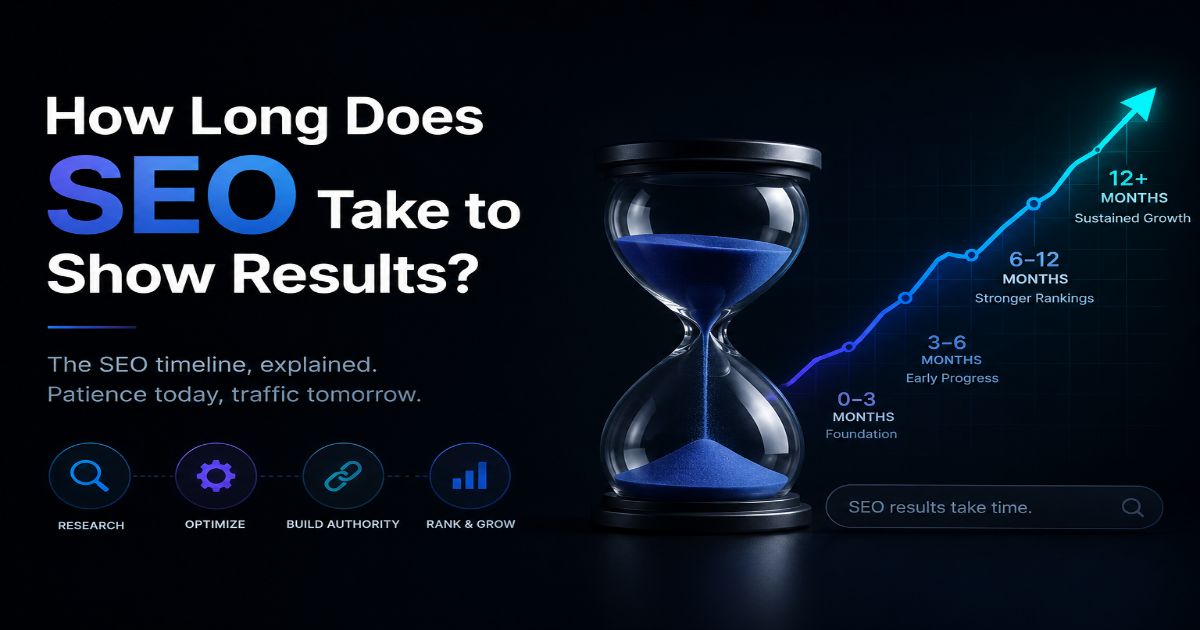
SEO timeline showing when different types of progress may appear

How Long Does SEO Take to Show Results?

Understand why timelines differ and what implementation or measurement should happen before judging the outcome.

Use this when: deciding whether a campaign is progressing, stalled, or missing essential work.
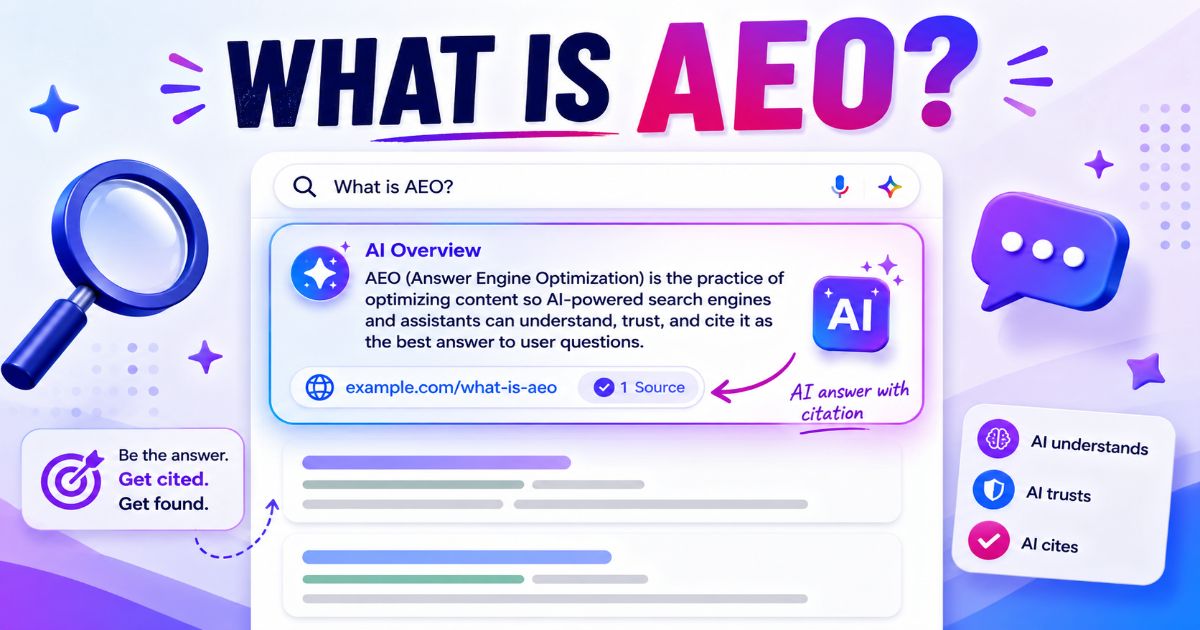
Answer engine optimization concepts and terminology

What Is AEO, and Does It Actually Matter?

Separate answer engine optimisation from familiar SEO work and identify where the concepts genuinely overlap.

Use this when: deciding whether AEO needs its own budget or belongs inside the existing search plan.
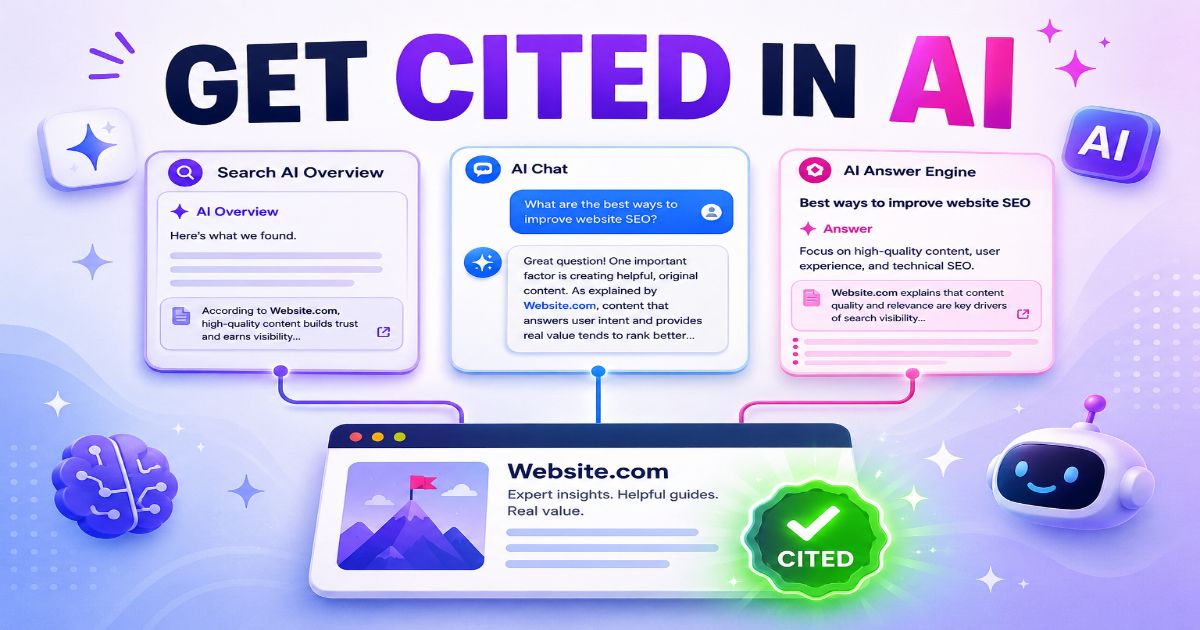
Content structured for AI-assisted search answers

How to Get Your Business Cited in Google AI Overviews and ChatGPT

Review answer-first structure, entities, source clarity, schema, original information, and content maintenance.

Use this when: making a page easier to extract and understand without assuming citation is guaranteed.
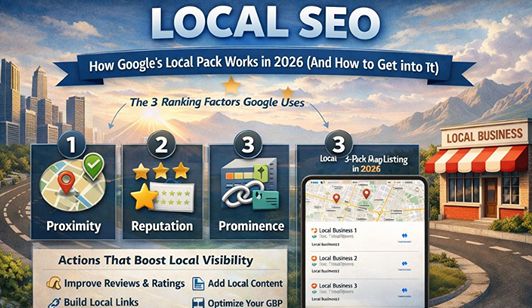
Google Local Pack map results

How Google’s Local Pack Works in 2026

Learn how relevance, distance, prominence, website signals, and business information shape local visibility.

Use this when: diagnosing whether a map problem relates to eligibility, proximity, profile quality, or the website.
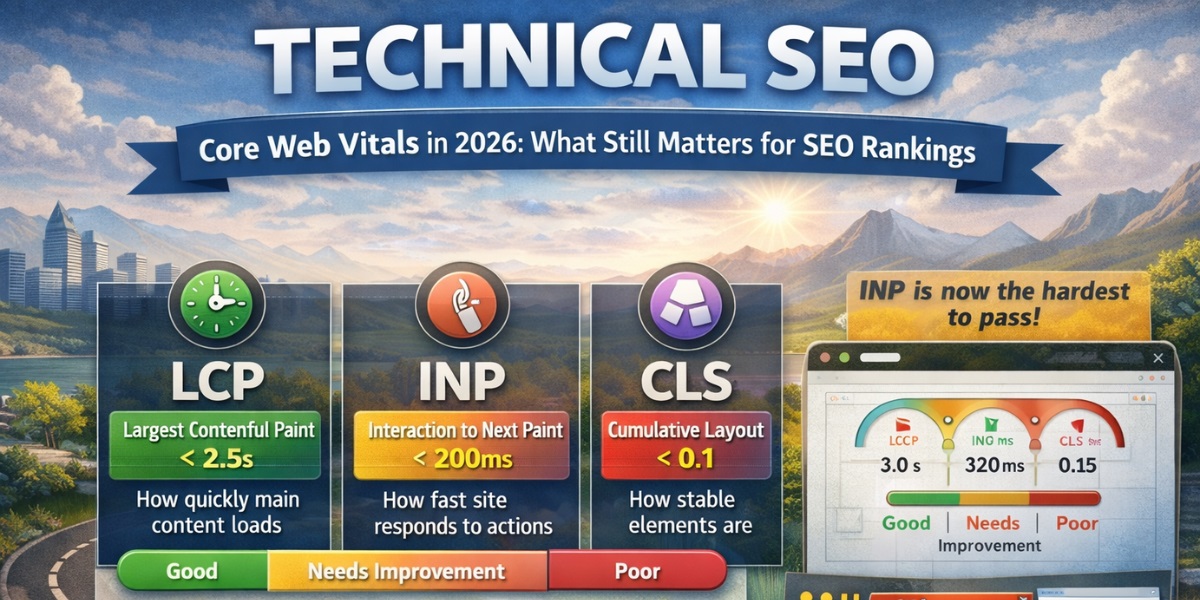
Core Web Vitals metrics for loading, interaction, and layout stability

Core Web Vitals in 2026: What Still Matters

Translate LCP, INP, and CLS into user-facing problems and distinguish field data from laboratory tests.

Use this when: choosing which performance issue deserves developer time first.
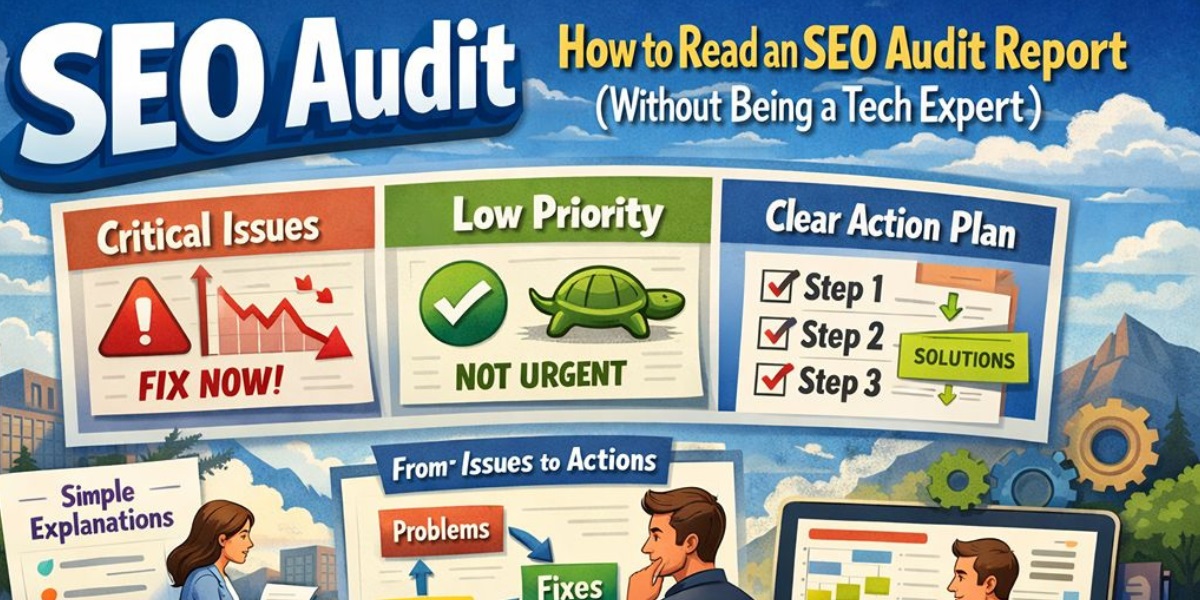
SEO audit report organised by impact and effort

How to Read an SEO Audit Report

Interpret technical, on-page, content, and authority findings without treating every warning as equally urgent.

Use this when: turning a long report into an implementation order your team can follow.
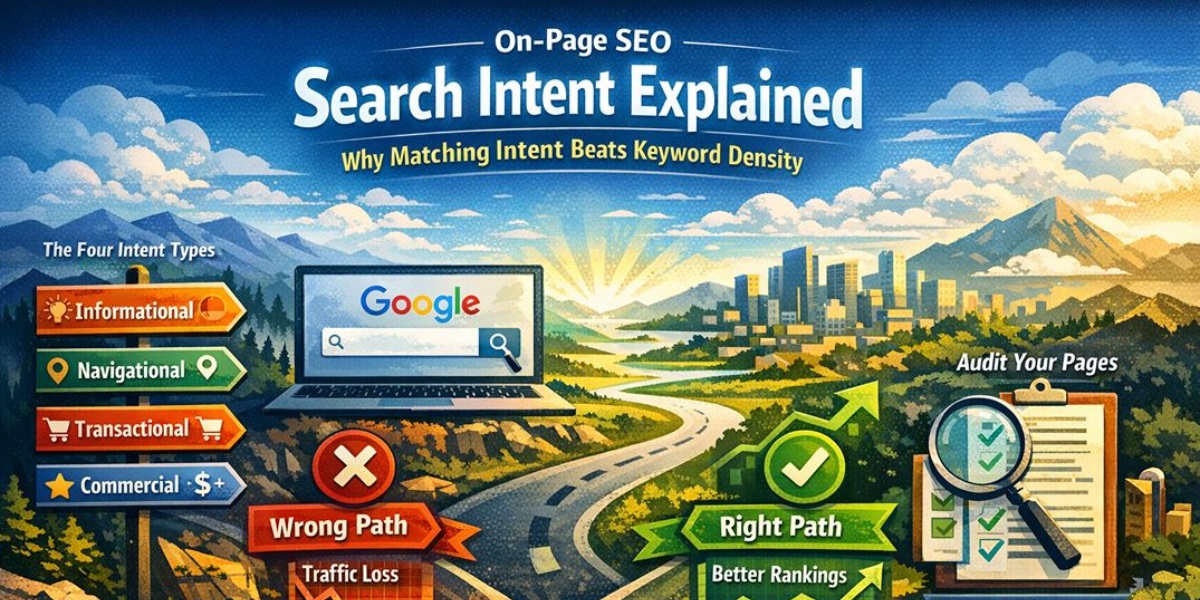
Search intent matched with the right page type

Search Intent Explained: Why Matching Intent Matters

Compare informational, commercial, transactional, and navigational needs with the pages Google currently rewards.

Use this when: a relevant page cannot progress because its format or purpose may be wrong for the query.
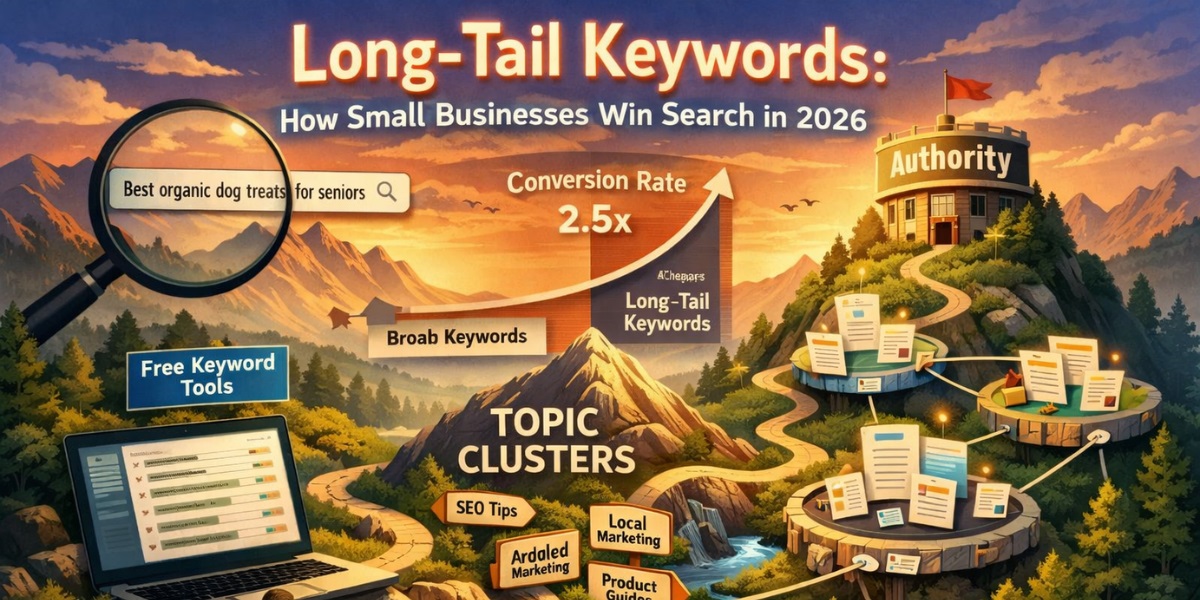
Specific long-tail keyword variations for small businesses

Long-Tail Keywords for Small Businesses

Find narrower search demand, group related phrases, and map opportunities without creating a page for every variation.

Use this when: broad keywords are too competitive or too vague to guide a useful page.
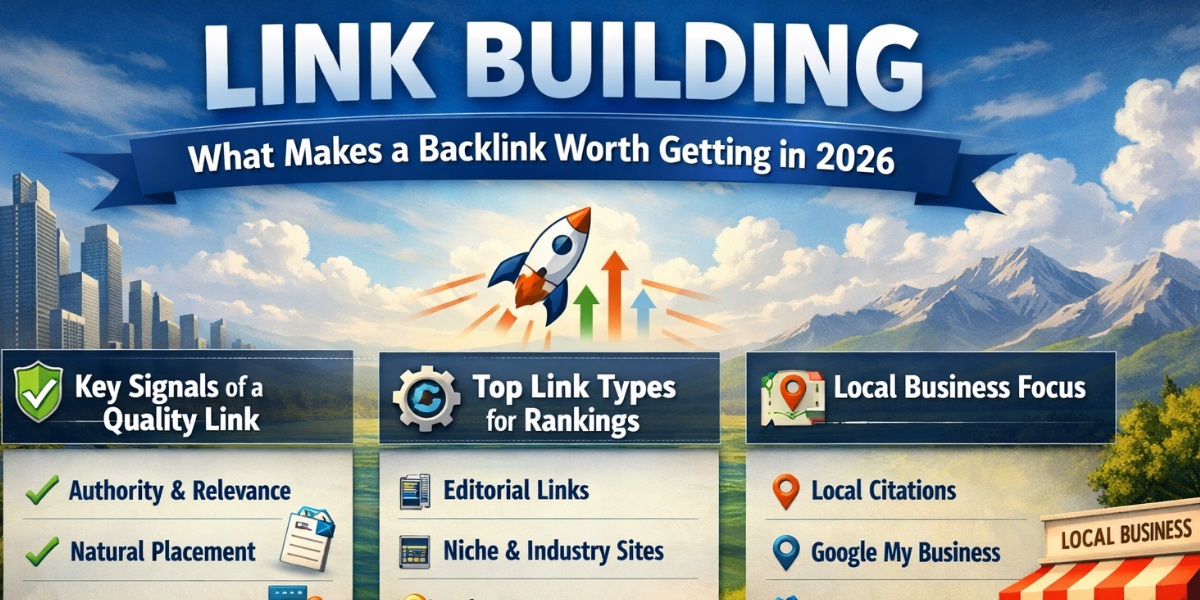
Backlink evaluation using relevance, quality, and placement context

What Makes a Backlink Worth Getting in 2026

Assess topical relevance, editorial context, real audience, placement, risk, and the work required to earn a link.

Use this when: evaluating a prospect, vendor list, or outreach opportunity before spending money or time.
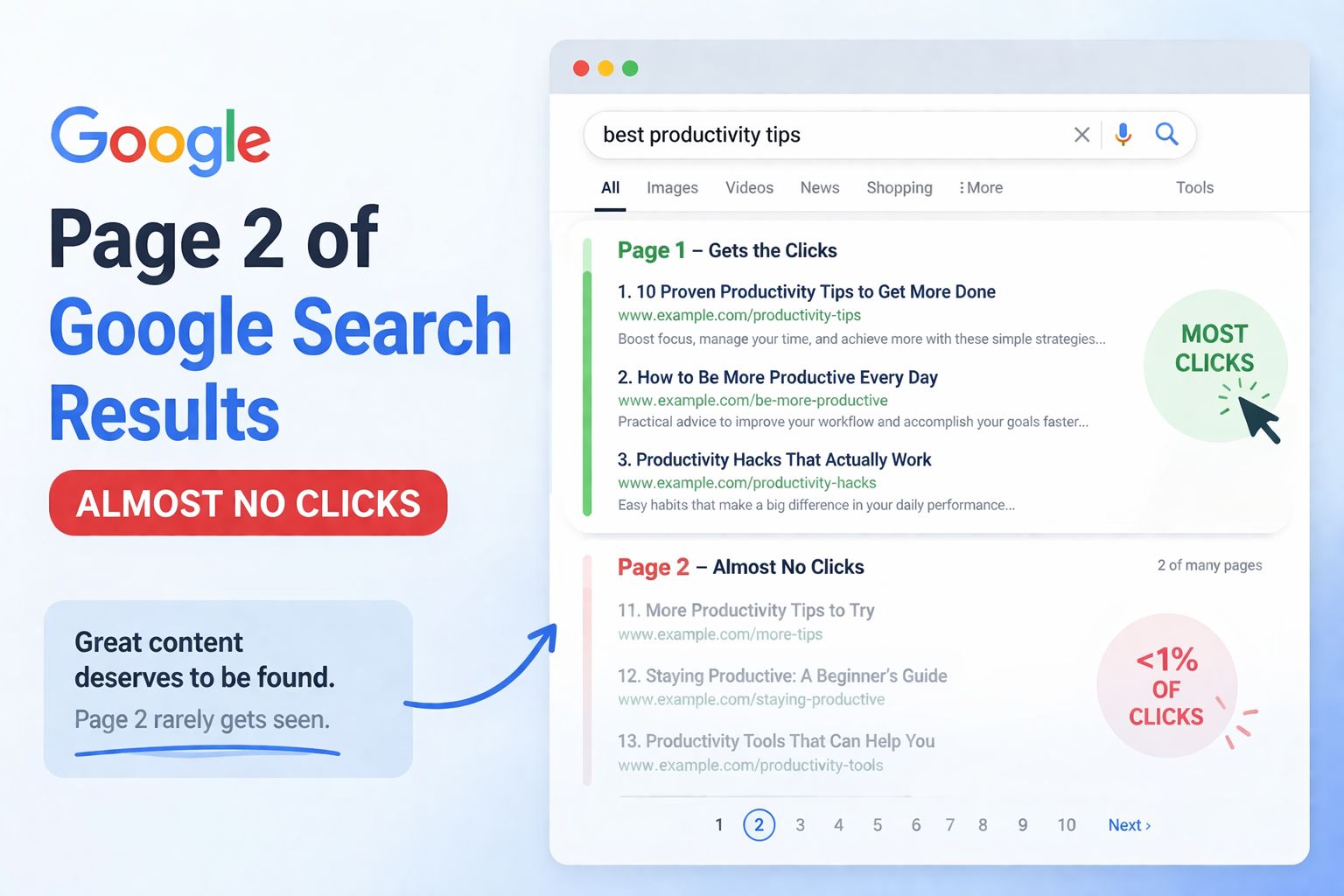
Search result positions near the boundary between pages one and two

Why Pages Get Stuck on Page 2 of Google

Investigate intent, depth, internal links, authority, technical quality, and stronger competing results around positions 11 to 20.

Use this when: a page has impressions and relevance but remains just outside the most visible results.
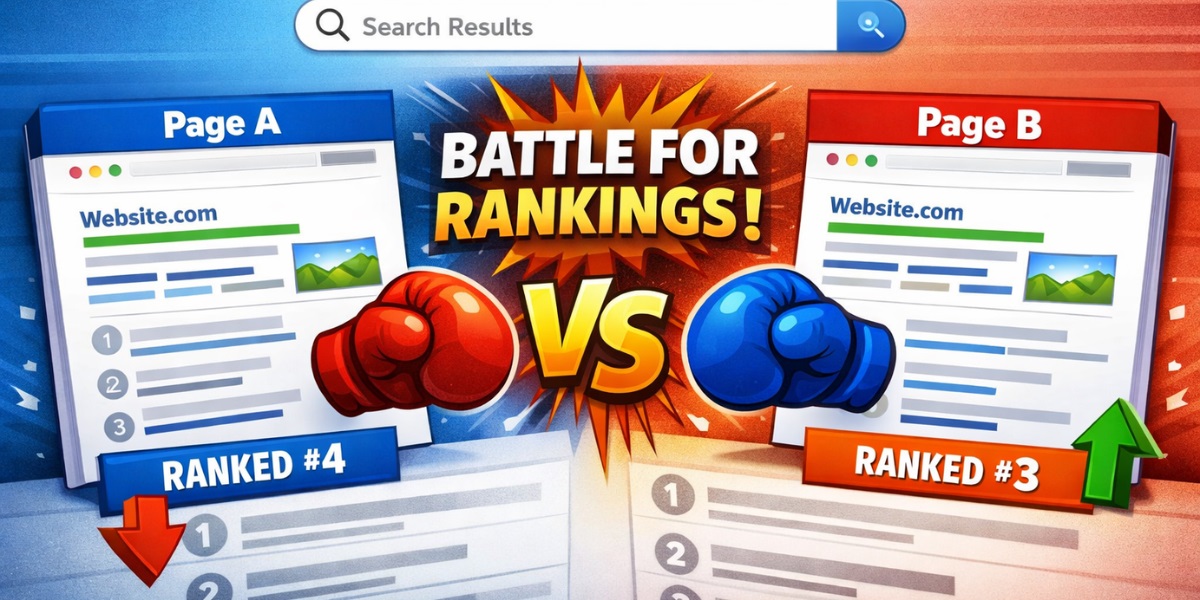
Two pages from one website competing for similar queries

Why Two of Your Pages Might Compete in Google

Recognise overlapping purpose, unstable ranking URLs, split internal signals, and cases that are not true cannibalisation.

Use this when: choosing whether to consolidate, redirect, differentiate, or leave two pages alone.
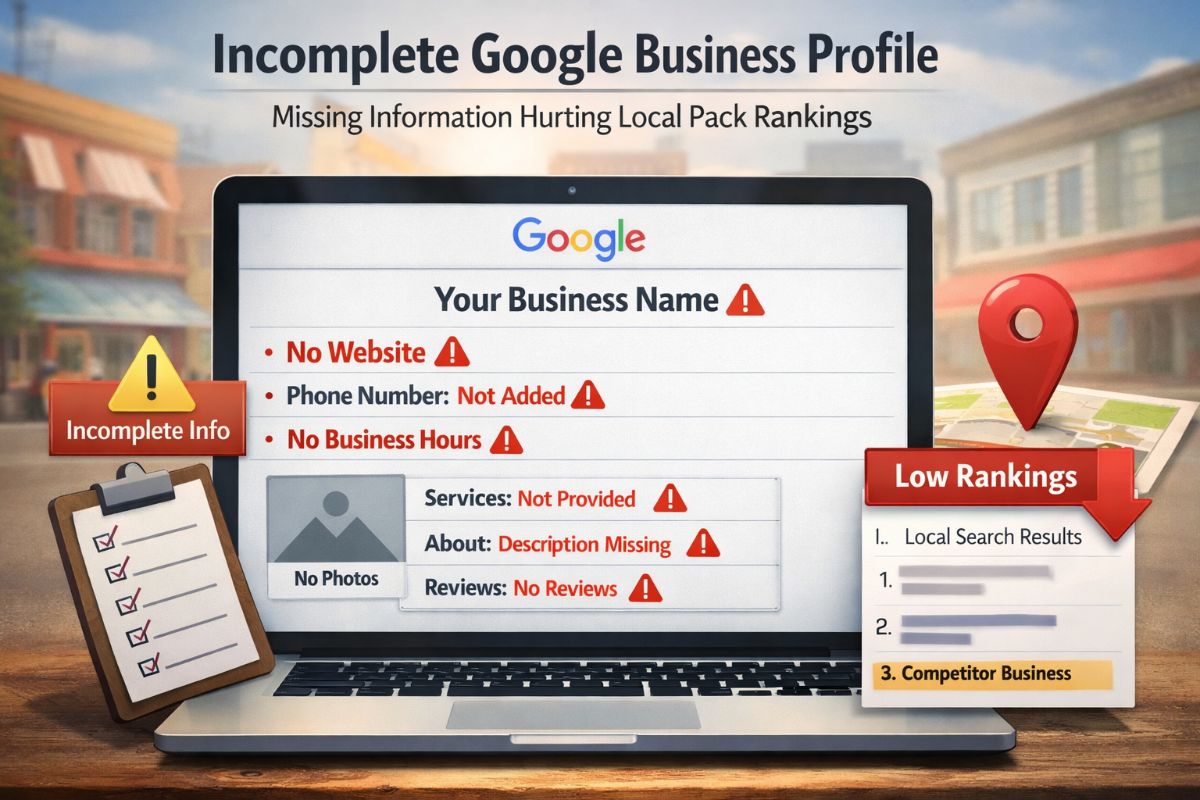
Google Business Profile fields and setup checks

Is Your Google Business Profile Set Up to Rank?

Review eligibility, primary category, business information, services, photos, reviews, landing page, and representation rules.

Use this when: checking whether the profile foundation is complete before adding more local activity.
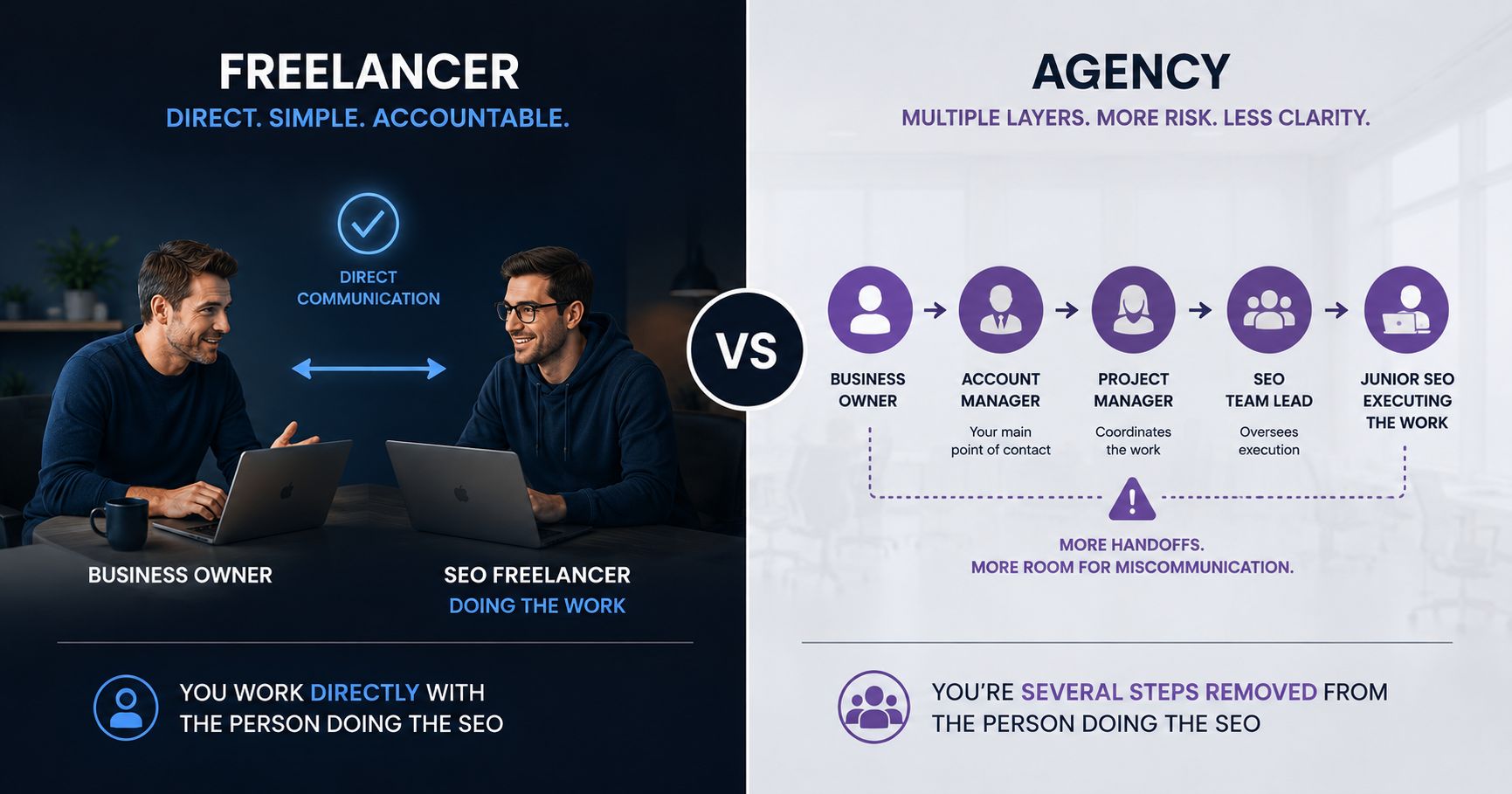
Direct freelance SEO model compared with a layered agency team

SEO Freelancer vs Agency: Which Should You Hire?

Compare capacity, specialist access, management layers, continuity, breadth, accountability, and cost structure.

Use this when: choosing a delivery model before comparing individual proposals.
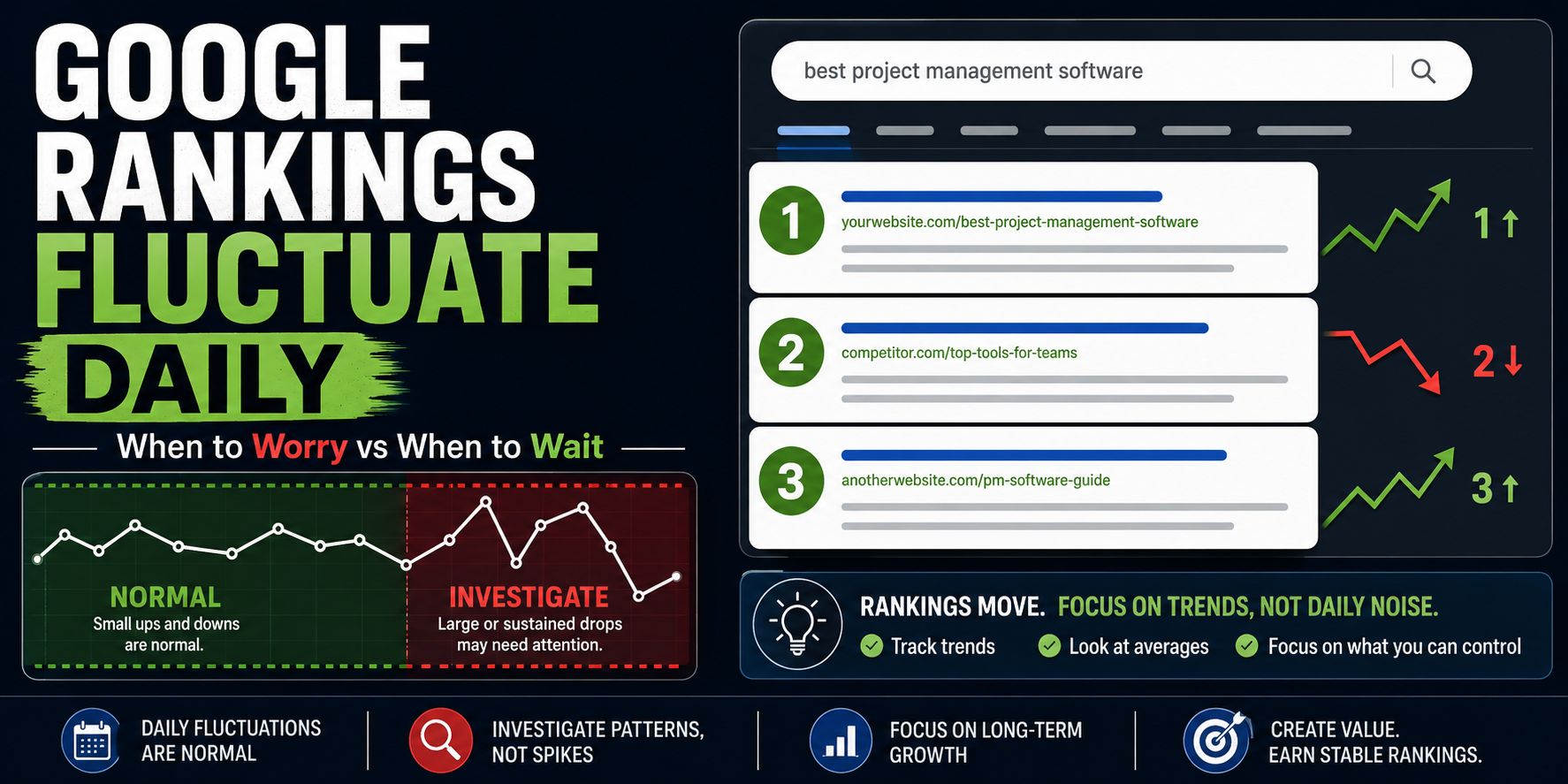
Daily keyword ranking movement compared with a sustained decline

Why Google Rankings Fluctuate Daily

Separate routine volatility from a sustained pattern using date ranges, pages, queries, devices, locations, and confirmed changes.

Use this when: deciding whether a ranking movement deserves investigation or simply more data.
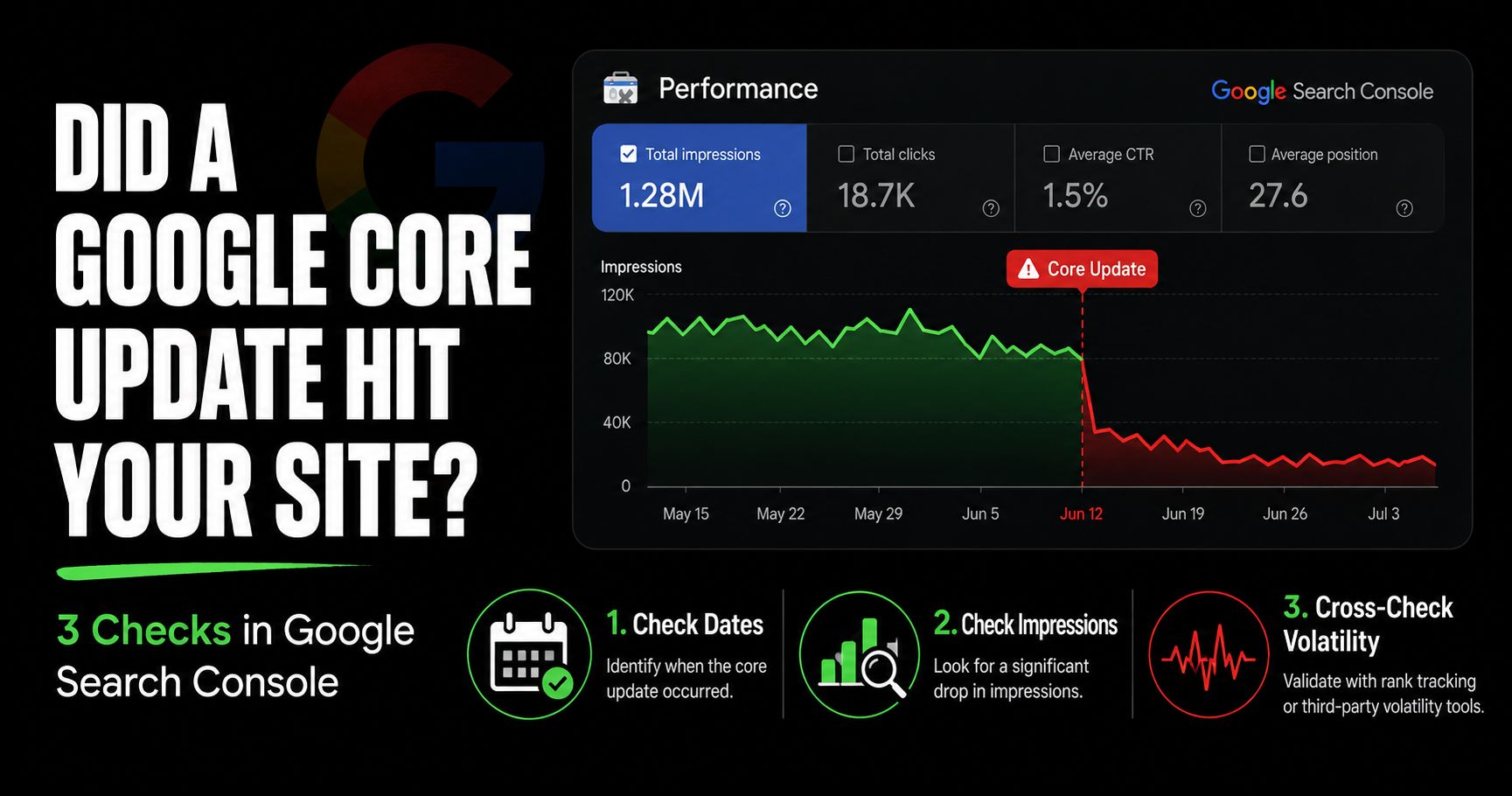
Search Console decline compared with a confirmed Google update period

How to Tell If a Google Core Update Hit Your Site

Compare confirmed timing with page groups, query patterns, countries, devices, seasonality, and unrelated website changes.

Use this when: verifying the cause of a decline before rewriting pages or reversing recent work.
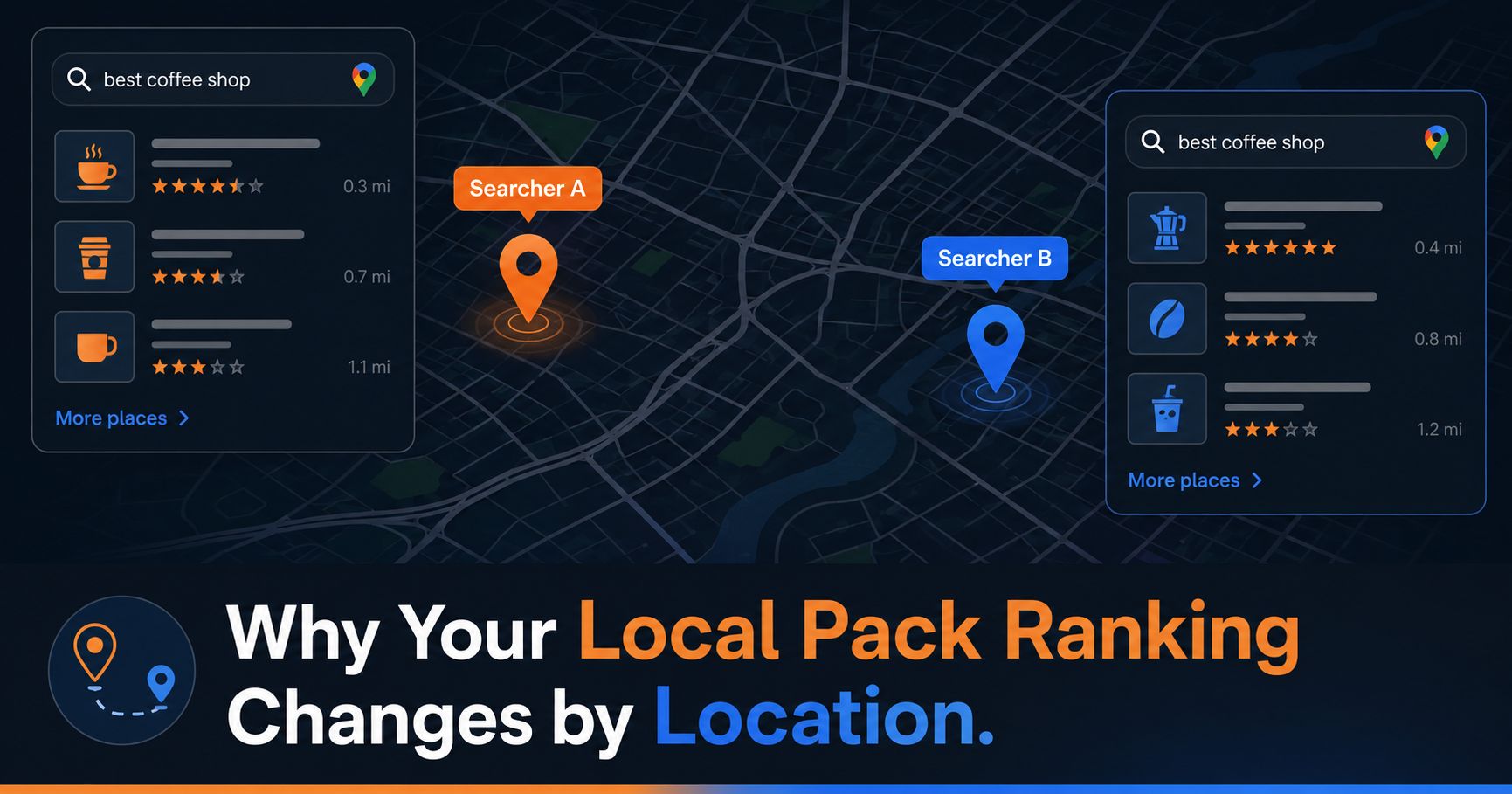
Different Google Maps results shown from different searcher locations

Why Google Maps Rankings Change by Searcher Location

Understand proximity, grid tracking, personal checks, service areas, and why one office search cannot represent the whole market.

Use this when: designing a fair method to measure local visibility across the customer area.
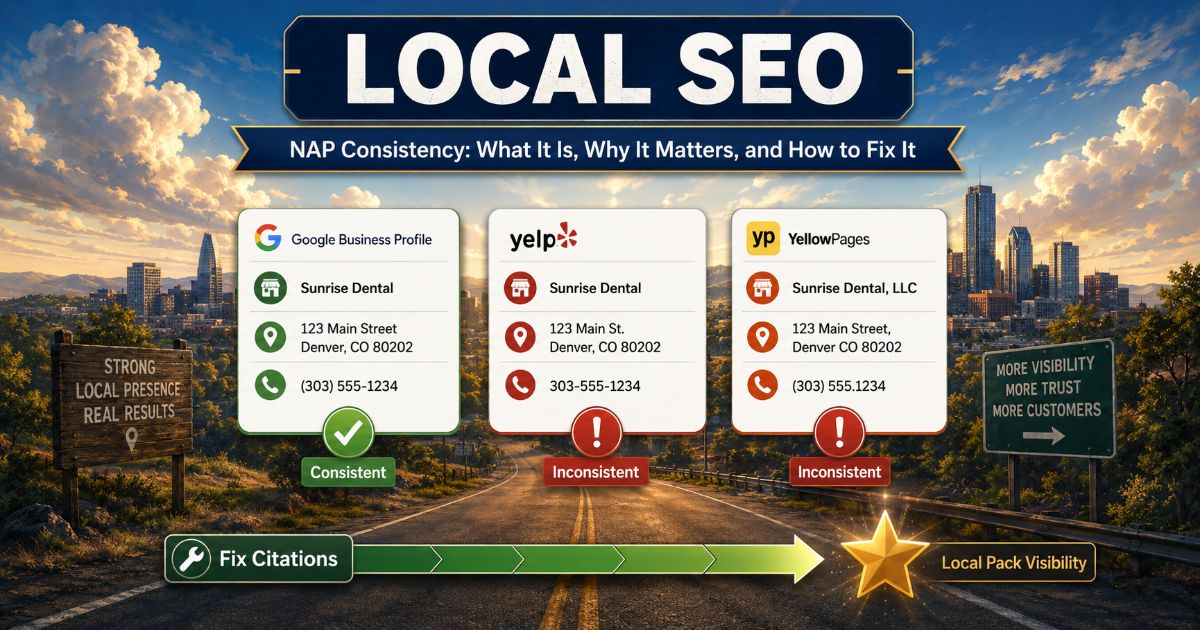
Matching business name, address, and phone information across sources

NAP Consistency in Local SEO

Identify which business-data differences matter, locate incorrect citations, and correct important sources in a sensible order.

Use this when: cleaning old addresses, phone numbers, duplicate listings, or inconsistent business names.
SEO audit pricing compared by depth and deliverables

SEO Audit Cost: What Should You Expect to Pay?

Compare automated checks, manual reviews, specialist depth, site size, implementation guidance, and deliverable quality.

Use this when: reviewing an audit quote and checking what the fee should actually include.

No guides match those filters.

Try a broader search or select “All” to restore the full library.

Reading helped, but the site still needs a decision?

Use the free tools to collect more evidence, or share the website for a recommendation based on its actual starting point.